

 Vn
Vn 中文
中文 HOME
HOME


News
Young Coconut from Vietnam
Vietnam ships millions of whole young coconuts every year, and the buyers who source consistently well al. They know exactly what to ask for before the first container moves. how the best fruit is grown and graded in Ben Tre and Tien Giang, what specifications to lock into a purchase agreement, how a container is loaded and sealed to preserve freshness, and what documentation to expect at every customs checkpoint.
What Is Whole Young Coconut from Vietnam?
Defining “Young Coconut” in the Export Context
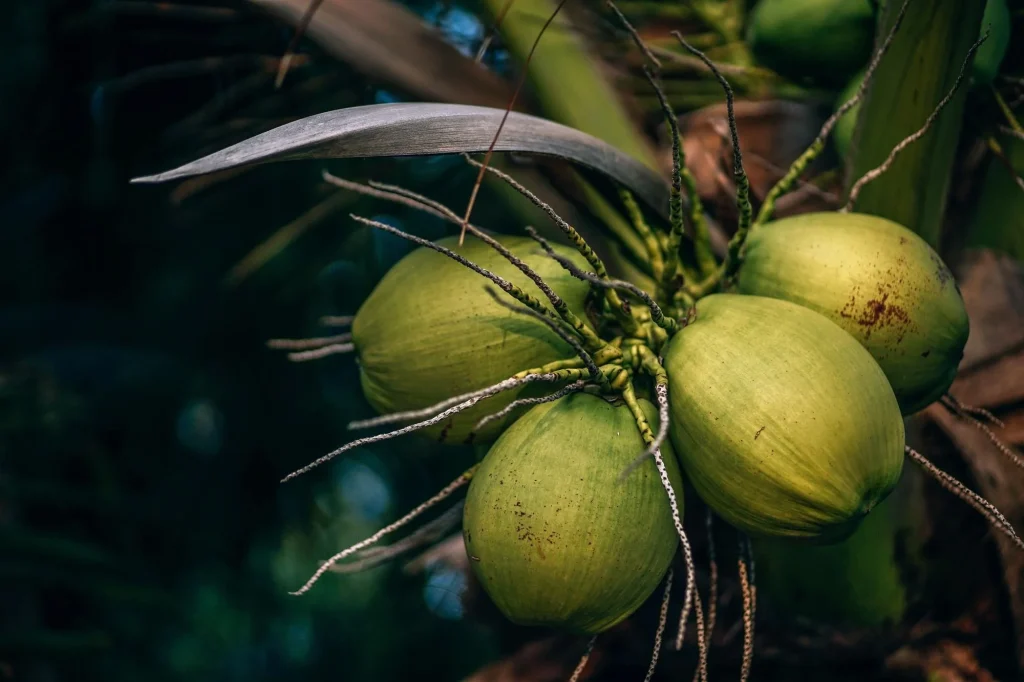
A whole young coconut is harvested at 6-8 months of age, before the white meat has hardened and while the internal water content is at its peak. For export purposes, “whole” means the husk is fully or partially retained, providing a natural protective shell during transport and an extended shelf life compared to trimmed or peeled formats.
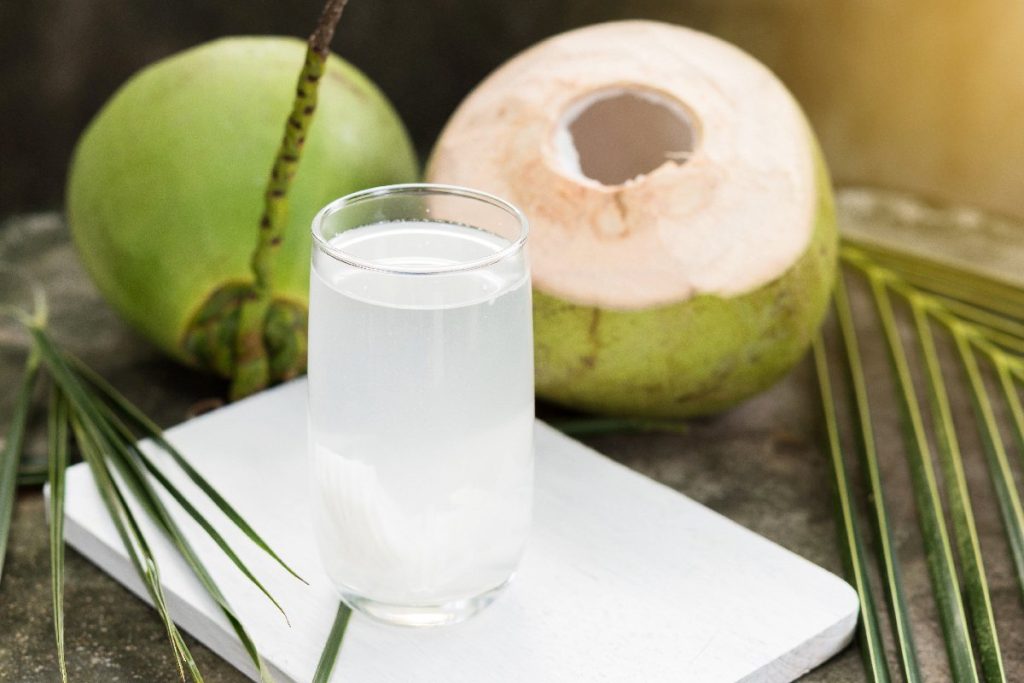
Buyers often ask whether young coconuts are the same product as “green coconuts.” The answer depends on the trimming method. In whole format, the outer green husk is kept largely intact. The fruit’s internal water volume typically ranges from 250-350 ml per nut, with a thin, jelly-like meat layer that is the hallmark of premium young fruit. Vietnamese young coconuts, particularly from the Ben Tre and Tien Giang provinces, are consistently recognized for superior water sweetness and meat texture, driven by the Mekong Delta’s mineral-rich soil and subtropical climate.
Why Ben Tre and Tien Giang Set the Standard
Ben Tre is Vietnam’s coconut capital, accounting for the majority of the country’s commercial coconut output. The province’s coconut belt sits along the Mekong River’s distributaries, where alluvial soil, consistent humidity, and natural tidal irrigation create ideal growing conditions. Tien Giang, adjacent to Ben Tre, provides a complementary supply base, extending harvest windows and ensuring volume stability across the year.
SONG NAM ITD sources from certified farms. Harvest is chemical-free, and quality control begins in the field, not the factory. Field supervisors inspect fruit at the tree before any harvesting tool is applied, rejecting immature, over-mature, or pest-affected nuts on-site. This upstream gatekeeping is what makes the difference between a consistent container and a high-return-rate shipment.
Sourcing Process: From Certified Farms to the Packing Floor
Farm Selection and Harvest Protocols
SONG NAM ITD does not purchase from open markets. All coconut supply runs through a network of contracted farms and cooperative partners who operate under GLOBALG.A.P-aligned growing standards. Farm onboarding includes soil testing, pesticide-use audits, and traceability registration.
Harvest timing is managed to some , ensuring fruit is consistently at the right maturity stage. Harvested nuts are transported to the packing facility within 24 hours of picking, a tight window that directly impacts the freshness profile arriving at destination ports.
Post-Harvest Handling and Grading at the Factory
At the packing facility, incoming fruit goes through a 4-stage grading line:
Visual inspection, skin integrity, husk condition, color uniformity
Weight sorting, separation by weight class (typically 0.8 kg-1.5 kg per nut, depending on buyer specification)
Water-shake test, auditory and tactile check for adequate water volume inside the fruit
Surface treatment, natural wax coating applied where required for moisture retention and shelf-life extension during long-haul shipping
Only fruit passing all four stages proceeds to packing. Rejection rates at this stage average 8-12%, which reflects rigorous standards rather than high defect rates at origin, because field-level screening has already removed the worst candidates upstream.
