

 Vn
Vn 中文
中文 HOME
HOME


News
Fresh coconut export turnover surges strongly
Global fresh coconut markets experienced strong demand and rising prices during the first half of 2026. Production recovered in key Asian hubs, while export revenues surged significantly. However, booming orders are causing domestic prices to fluctuate, creating opportunities and challenges.
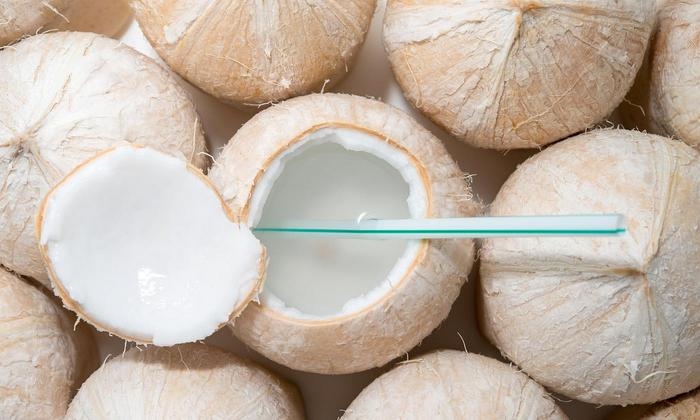
Vietnamese coconuts join the “billion-dollar club”
Viet Nam’s coconut industry is experiencing its strongest growth period in many years. According to data from the Viet Nam Customs Department, coconut export turnover in 2025 exceeded $ 533 million, up more than 36% compared to the previous year. Including processed products such as canned coconut water, coconut oil, desiccated coconut, and coconut-based cosmetics, the industry’s total value reached approximately $1.15 billion.
Many domestic businesses reported that orders from U.S. supermarket chains and beverage manufacturers continue to rise in 2026, especially in the premium segment. This shows that the growth potential for Vietnamese coconuts in this market remains substantial.
At the same time, China has become a new “growth engine” after officially opening its market to Vietnamese fresh coconuts through official trade channels starting in August 2024. China consumes around 4 billion coconuts annually, including approximately 2.6 billion fresh coconuts.
With advantages such as proximity, low logistics costs, and fast transit times, Vietnamese coconuts have rapidly gained market share in the billion-consumer market. Many businesses believe that demand from China will continue to increase strongly in the coming years, especially as import standards become more standardized.
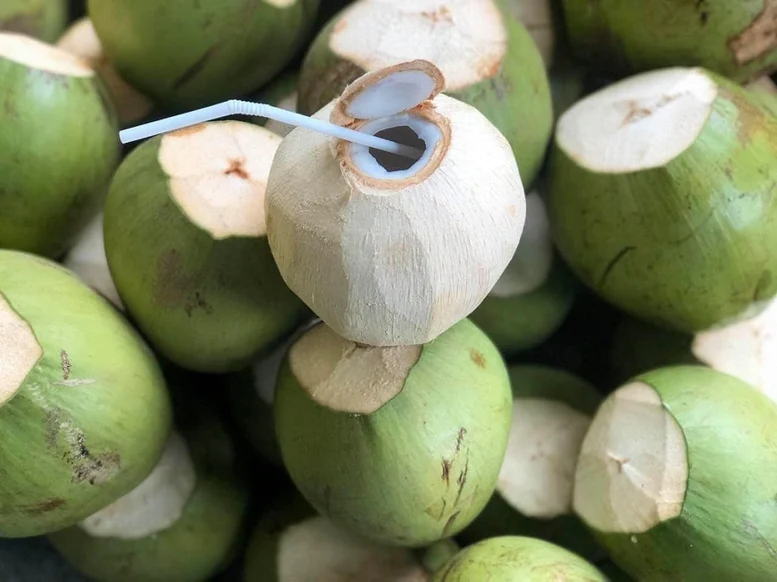
Domestic prices surge, bringing both opportunities and challenges
While exports are growing strongly, the domestic market is also experiencing significant fluctuations. Fresh coconut prices, after remaining low for a long period, have risen sharply during the first months of 2026.
However, experts warn that rapid growth also carries risks. Sharp price fluctuations may affect market stability, while linkages between businesses and farmers remain limited. In addition, meeting international standards for quality and sustainable production remains a major challenge for many localities.

In the long term, to remain competitive, the coconut industry needs to continue developing standardized raw-material areas, expanding organic production, and investing in deep processing. Currently, more than 60% of dried coconut output is processed into value-added products, including coconut milk, coconut oil, coconut milk powder, and activated carbon. This will serve as an important foundation for Viet Nam’s coconut industry to increase value, reduce dependence on raw exports, and achieve sustainable growth amid an increasingly volatile global market.
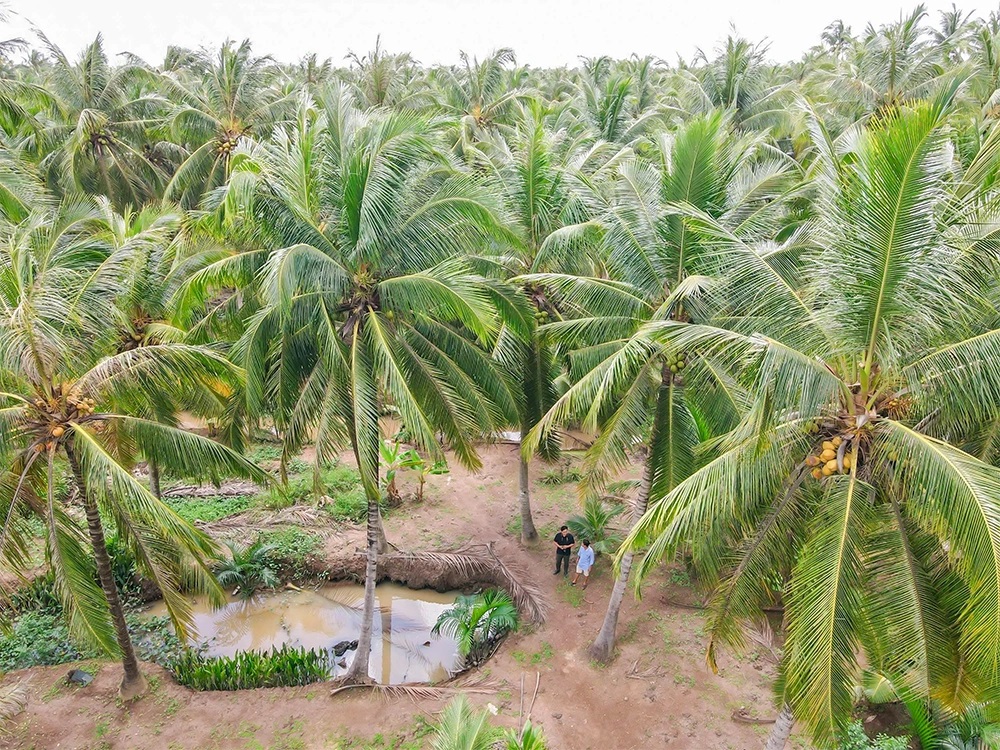
Vietnam’s two primary coconut-producing provinces, Ben Tre and Tien Giang, sit in the Mekong Delta, where the combination of alluvial soil, consistent tropical humidity, and access to freshwater irrigation creates near-perfect growing conditions for coconut cultivation.
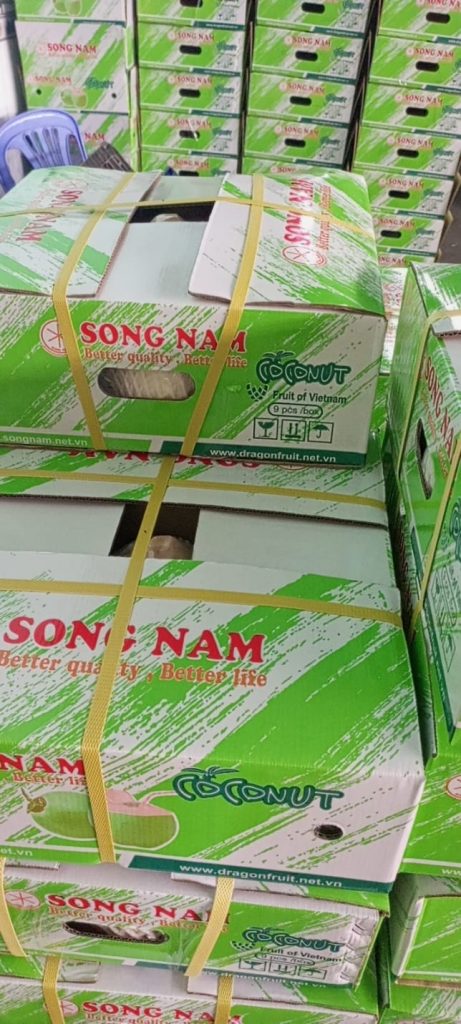
The fruit produced in these regions is notable for its high water content, naturally sweet flavor profile, and consistent size, characteristics that align directly with what premium buyers in markets like the UAE, Japan, and South Korea demand. Our coconuts are sourced from Ben Tre’s specialized growing zones, where harvest is chemical-free and quality control begins in the field, not the factory.
