

 Vn
Vn 中文
中文 HOME
HOME


News
Coconuts are incredibly versatile.
The coconut is also a versatile crop. Different forms of the edible “nut” are used in dishes across many cuisines. But it isn’t just a source of food: The husk and fronds are used to make ropes, netting, and building materials; the trunk becomes timber after the tree stops fruiting; and the shells are turned into carbon black (a type of charcoal).
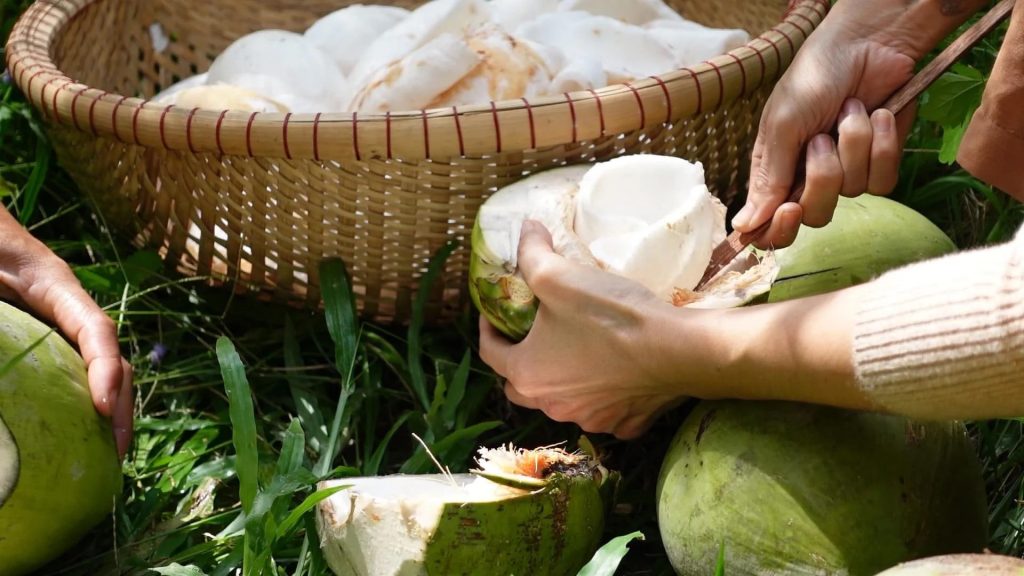
But what exactly is a coconut?
What Is a Coconut?
- Exocarp: The smooth green or yellowish outer skin.
- Mesocarp: The thick, fibrous layer under the exocarp, called the coir. It’s inedible but has many nonculinary uses, including rope, mats, and fishing nets.
- Endocarp: The hard brown shell with three “eyes” on one end, containing the seed.
- Endosperm: The white flesh and liquid inside the shell, which nourishes the germ, the embryo that can sprout into a new tree.
When a coconut fruit is young (around six months old), the endosperm is mostly liquid—the nutrient-rich coconut water we all love to drink. As the fruit matures, dissolved solids in the water slowly solidify, first into a soft jelly, then into firm white flesh. By about one year old, a coconut is considered mature, with thick flesh and much less water.
How to Shop and Store Fresh Coconuts
Fresh coconuts aren’t common in generic supermarkets, but many Asian or Caribbean grocery stores carry them.
- How to shop for young coconut: Young coconut may be sold whole with their green outer layer or trimmed to reveal the white, fibrous husk. For whole, green coconuts, check for freshness: The fruit should feel heavy and slosh with liquid when shaken.
- How to shop for mature coconuts: Similar to young coconuts, mature coconuts should feel heavy and slosh when shaken, which indicates freshness, as an old coconut will not have much water inside. Avoid any with mold on the husk or eyes. (If opening one seems intimidating, our guide on how to open a coconut will make the process less daunting.)
- How to store young and mature coconuts: Refrigerate young coconuts. Once opened, store the water and meat in an airtight container for up to four days in the refrigerator or up to two months in the freezer. Unopened mature coconuts can be kept at room temperature for up to three months. After opening, refrigerate the flesh in an airtight container for up to four days or freeze for up to six months.
How and When to Use Fresh Coconuts
Young Coconuts: Valued for their water and jelly-like flesh, young coconuts can be enjoyed straight from the shell or used in smoothies and cocktails. The flesh works well in desserts,….
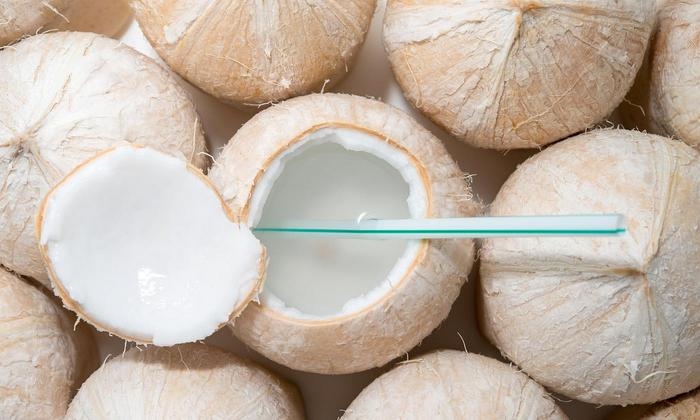
Mature Coconuts: Fresh or thawed mature coconut meat can be used in sauces, soups, or vegetable sides. Mature coconut flesh can be blended with water to make fresh coconut milk.
A List of Common Coconut Products
Here is an overview of different coconut products and byproducts commonly sold in the US.
Whole Coconuts:
Mature coconuts: Hard-shelled, brown, hairy seeds with firm flesh and some coconut water.
Young coconuts: Tender, green coconuts filled with coconut water, sometimes sold with the green outer layer trimmed off.

Both types can be difficult to open and aren’t widely available in generic US supermarkets.
Coconut Milk
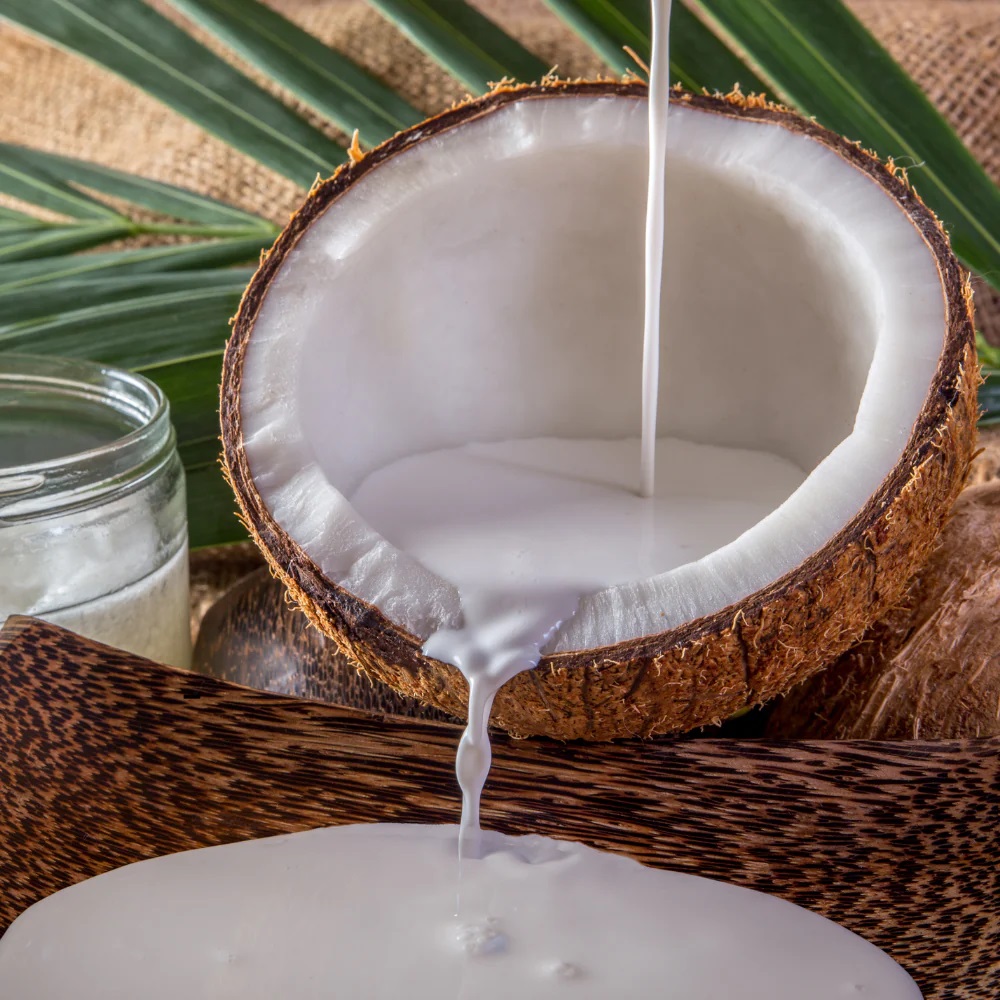
Coconut milk is made by blending mature coconut meat with water, then straining the mixture. It’s sold canned, in cartons, or refrigerated with other dairy-free milks. To make it at home, blend shredded fresh coconut with water and strain through a fine-mesh sieve or cheesecloth. Shelf-stable coconut milk is heated, homogenized, and ultra-pasteurized, and may be sweetened or unsweetened. Unpasteurized coconut milk must be refrigerated at all times.
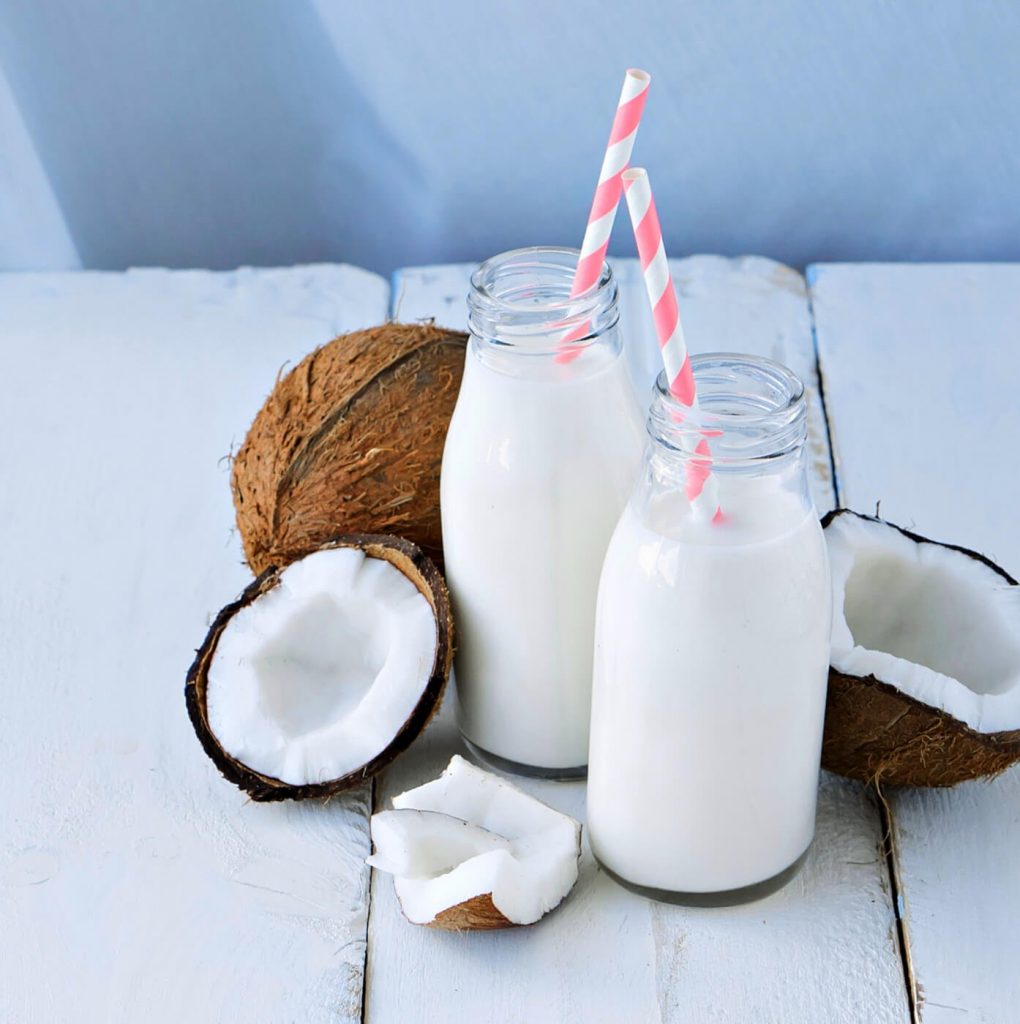
Note: Don’t confuse coconut milk with coconut cream, which contains more flesh and less water.
How to use coconut milk: Use it to add richness to curries, rice, or desserts like pengat pisang (a Malaysian banana coconut soup). If a can of coconut milk has separated into cream and water, stir to combine before using.
How to store coconut milk: Store unopened canned coconut milk at room temperature. Once opened, refrigerate in an airtight container and use within five days. Refrigerated, unpasteurized coconut milk should be consumed within seven to 10 days of opening.
Coconut Oil
Coconut oil can be hot- or cold-pressed and is semi-solid at room temperature and firm when chilled.
- Hot-pressed: Made by boiling coconut milk until the water evaporates, leaving the oil behind.
- Cold-pressed: Made by pressing coconut meat in a mechanical press to expel the oil.
Coconut oil may be refined or unrefined.
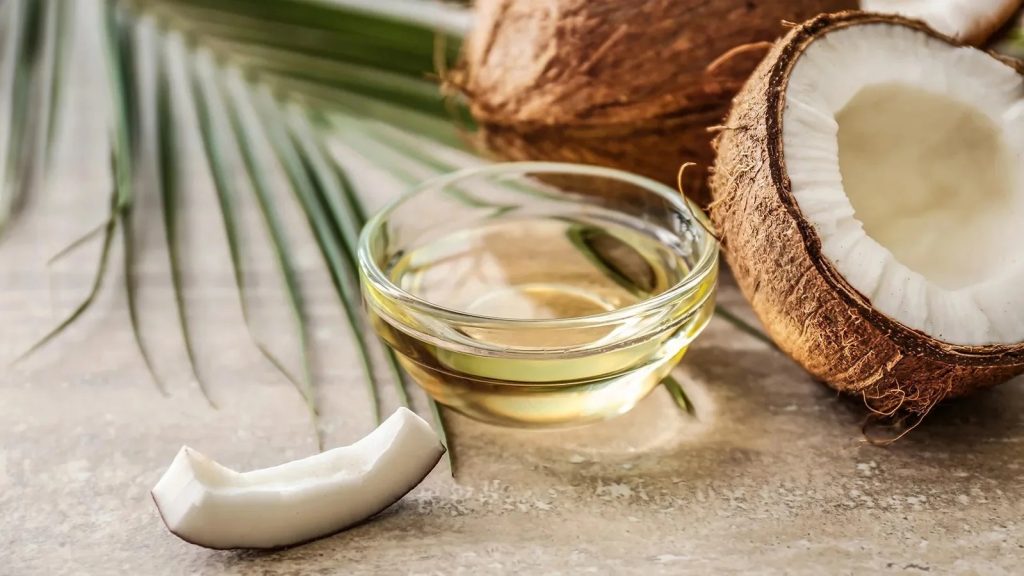
Refined coconut oil is steamed, bleached, and deodorized. This process, according to a 2020 study published in eFood, “deactivates the bioactive components such as tocopherols and polyphenols” responsible for coconut’s nutty aroma, producing an oil with little flavor or smell.
Unrefined (or virgin) coconut oil is typically cold-pressed, preserving its coconutty aroma.
Both types can be used for cooking, but refined oil has a higher smoke point and more neutral flavor, making it better for high-heat applications, such as searing, and in any dish where you don’t want to taste or smell the coconut itself. Virgin coconut oil, on the other hand, will add a pleasant coconut aroma and flavor wherever it’s used.
How to use coconut oil: With its relatively high smoke point, coconut oil works well for searing, roasting, frying, sautéing, and stir-frying. Melted, it can be substituted for canola or vegetable oil in baking. It’s also great for making magic shell, adding to smoothies, or popping popcorn.
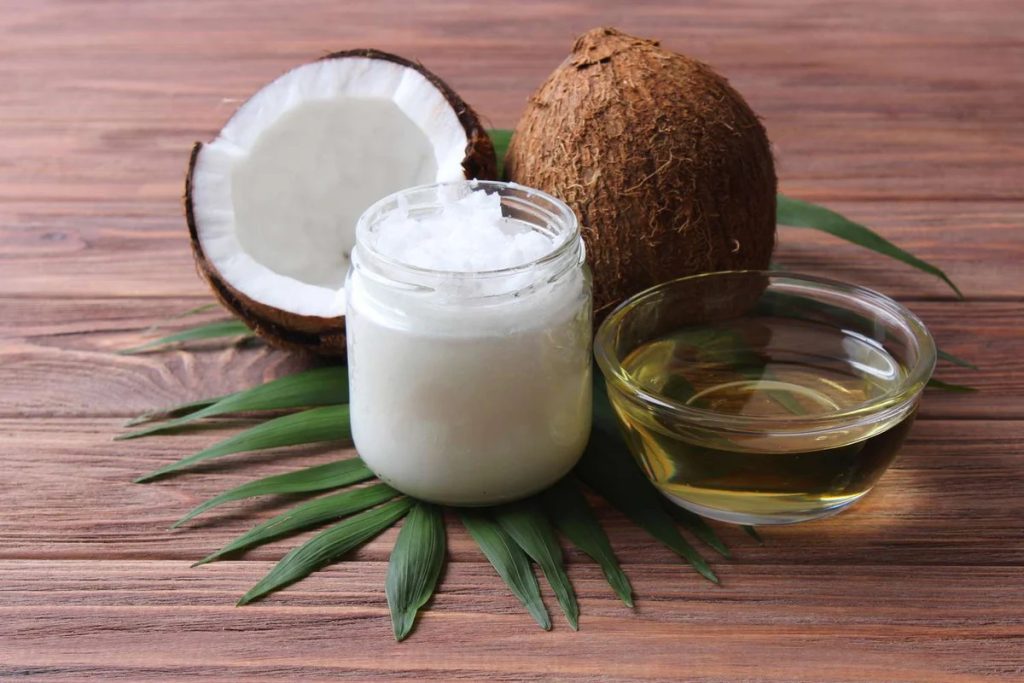
How to store coconut oil: Store in a cool, dry place.
Flaked, Shredded, and Desiccated Coconut
Flaked, shredded, and desiccated coconut are made from dehydrated coconut meat, though shredded coconut can also be found fresh and frozen. Flaked coconut is long and wide, often sold as coconut chips. Shredded coconut is finer than its flaked sibling, and desiccated coconut is finely grated. All three are available sweetened or unsweetened, toasted or untoasted.
How to use: Dried coconut appears in baked goods and desserts around the world, including cakes, macaroons, and pie. It also features in dishes such as Filipino maja blanca (coconut pudding) and Malaysian onde-onde (Pandan glutinous rice balls with coconut), savory Filipino binakol (chicken and coconut soup), and crunchy coconut shrimp.
How to store: Keep dried coconut in an airtight container in a cool, dry place.
Freshly Grated Coconut Meat
Freshly grated coconut meat is often sold frozen and retains much of its fresh flavor and texture once thawed. It must be refrigerated and used within three to five days of thawing. Look for it at Asian or Caribbean grocery stores.
The Takeaway
Coconuts are incredibly versatile. They can be used fresh, dried, or frozen, and their many byproducts—milk, oil, sugar, and more—play starring roles in cuisines around the world.
