

 Vn
Vn 中文
中文 HOME
HOME


News
Coconut Exports Earn Over Half a Billion USD
For the first time in 2025, coconut exports will bring in over half a billion USD, reaching $534 million, surpassing dragon fruit to become the second-largest export fruit, after durian ($3.86 billion).
Coconut Export Revenue Exceeds Half a Billion USD
In 2025, Vietnam’s fruit and vegetable exports are projected to grow impressively to $8.56 billion, a 19.8% increase compared to 2024. The fruits contributing the most to this export revenue are durian, coconut, dragon fruit, pistachios, and mangoes.
According to the latest data from the Customs Department, durian export revenue in 2025 is expected to reach approximately $3.86 billion, an increase of over 20% compared to the previous year and accounting for over 45% of the total value of fruit and vegetable exports. The surge in this commodity has become the main driving force, contributing to Vietnam’s fruit and vegetable export turnover reaching US$8.56 billion, an increase of nearly 20% compared to 2024.
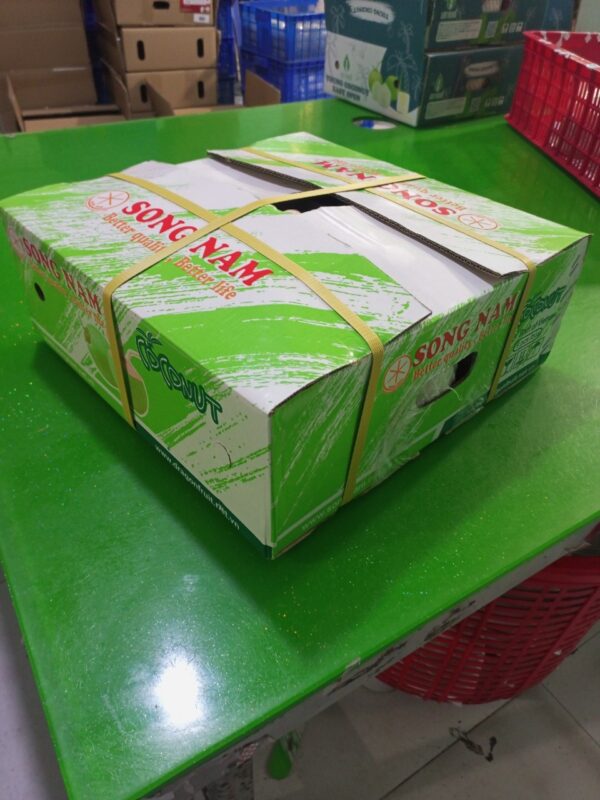
Most impressively, coconuts have surpassed dragon fruit to become the fruit with the largest export value at US$534 million, an increase of nearly 37% compared to 2024, while dragon fruit ranks third with an export value of only US$525 million, a decrease of 1.5%. Following closely behind are chestnuts at $466 million, up 72.3%; mangoes at $409 million, up 10.4%; bananas at $405 million, up 6.6%; jackfruit at $247 million, down 21.5%; passion fruit at $233 million, up 36.1%…
Notably, the acceleration in exports of fresh and processed coconuts is due to the signing of the Protocol on the export of fresh coconuts to China, which has given a significant boost to this product.
The high export results in 2025 are thanks to the positive shifts in the structure of Vietnam’s fruit and vegetable export markets, consolidating its position in traditional markets while making strong breakthroughs into markets requiring high quality, according to the Import-Export Department (Ministry of Industry and Trade).
Specifically, China remains the largest customer with a value exceeding US$5.5 billion, thanks to the signing of important protocols for frozen durian and fresh coconut. In particular, the strong shift from informal to formal exports has helped stabilize and increase order values.
For high-quality markets such as the US, South Korea, and Japan, exports to these markets have seen remarkable growth in value, demonstrating the improved quality of Vietnamese fruits and vegetables.
Exports to the EU recorded impressive growth (approximately 58% compared to 2024) thanks to effective utilization of tariff preferences. The main gateway to the region is the Netherlands (accounting for over 33% of total export value to the EU), followed by Germany and France. The main products exported to the EU are processed fruits and vegetables, fruit juices, and specialty fruits with organic or GlobalGAP certification.
The structure of Vietnam’s fruit and vegetable export market in 2025 shows that Vietnam is gradually reducing its dependence on exports to China and beginning to establish its brand in countries with high technical standards. In particular, the processed fruit and vegetable segment has increased to over 30% of the export product structure, helping to increase export value.
Aim for $9-10 billion in 2026
With a solid foundation in 2025 and expectations for key products, Vietnam’s fruit and vegetable exports are projected to continue to thrive and maintain growth momentum in 2026, aiming for an export value of $9-10 billion.
This growth target is quite realistic, because in addition to the continued strengthening of production and processing capacity towards higher quality standards and compliance with regulations from major export markets, Vietnam’s signing of a series of export protocols for fruits such as jackfruit, coconut, and durian continues to create a long-term springboard for the fruit and vegetable industry.
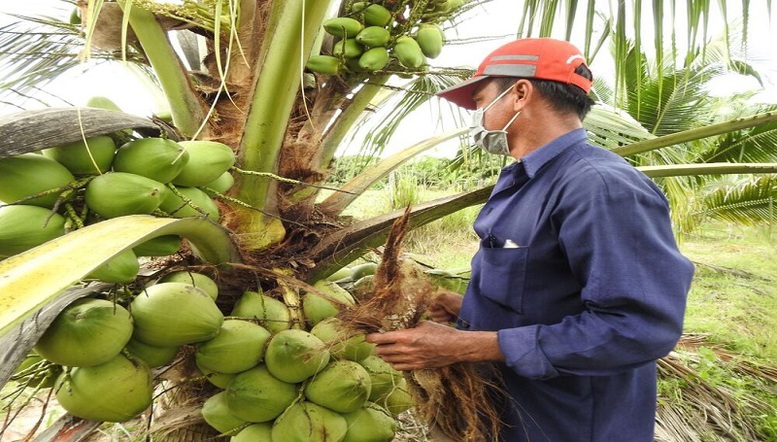
Simultaneously, trade promotion and market expansion activities continue to be intensified. The Vietnam Fruit and Vegetable Association stated that this year, the Association will continue to organize participation for businesses in many international trade fairs and exhibitions, thereby expanding access to new markets and customers.
However, the industry needs to monitor and adapt to new import policies, especially China’s Decree 280, to maintain official exports. Furthermore, the focus is on improving product quality, perfecting the traceability system, enhancing the application of post-harvest technology, quickly adapting to the stringent requirements of high-end markets, and standardizing raw material sourcing areas.
Source: Baodautu
